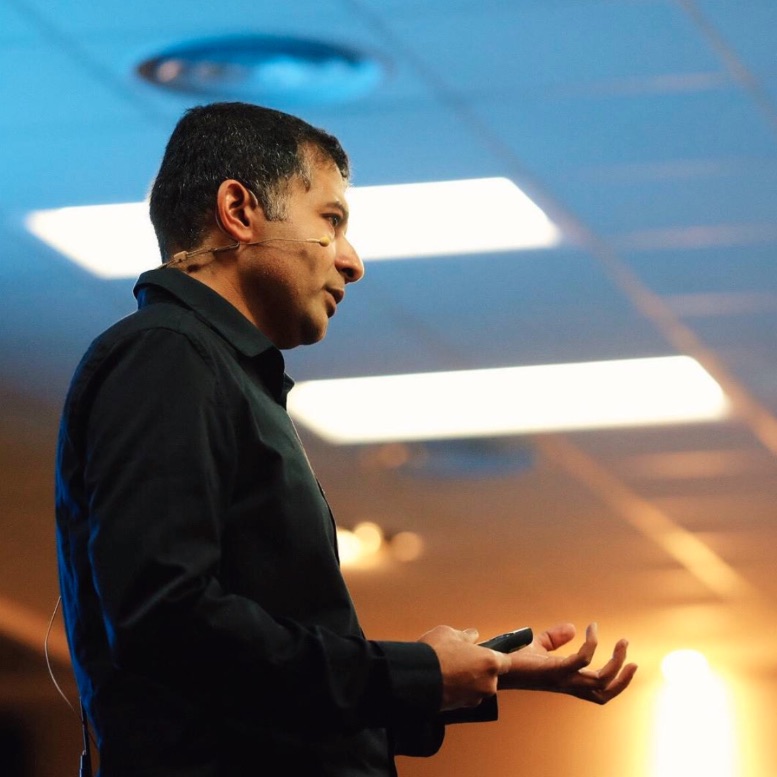
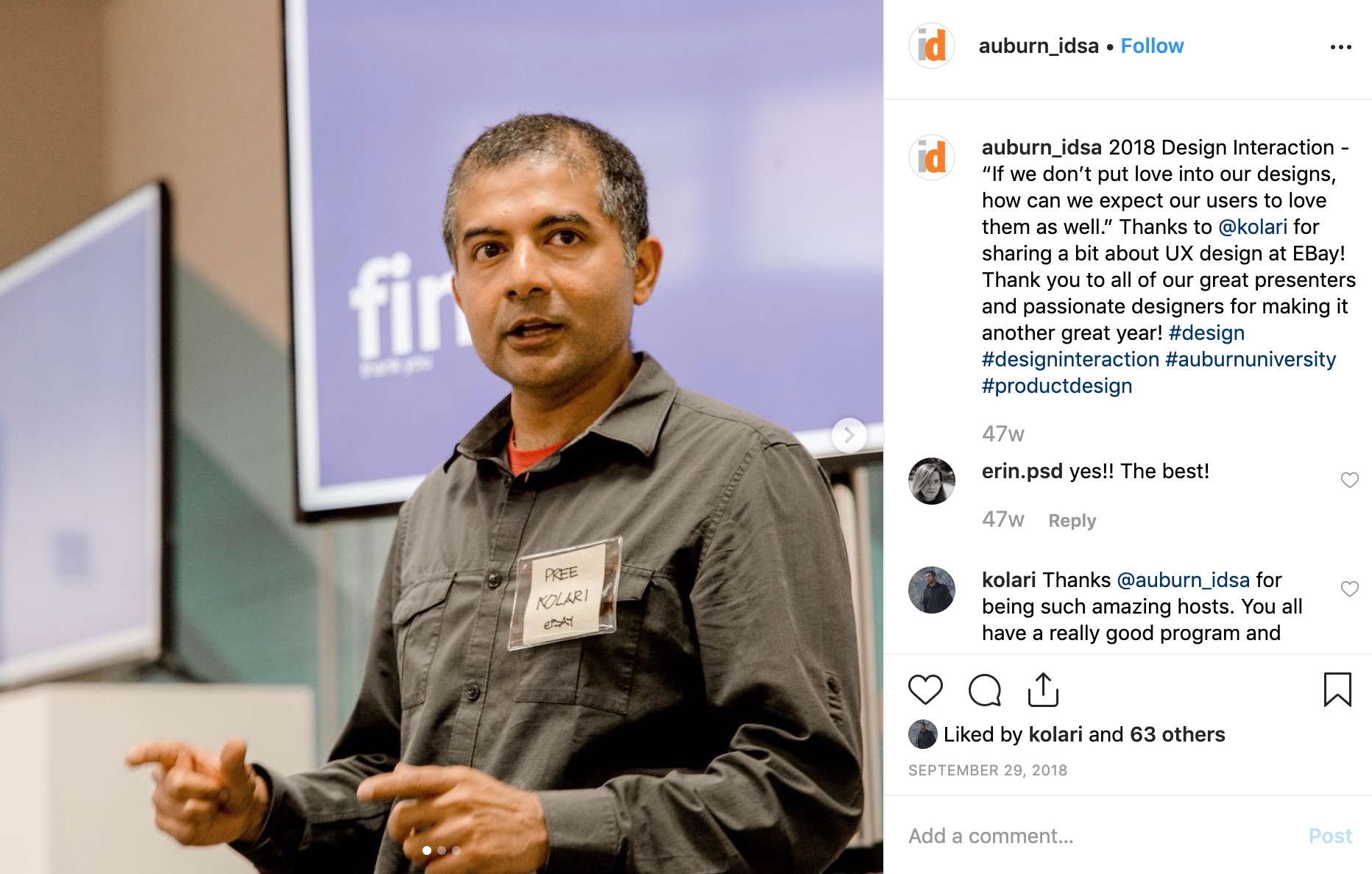
I have worked as a Chief design officer and GM of product at several companies. My expertise is in product leadership, design, UX/UI, & branding.
I work with founders and entrepreneurs and bring these three things to the table
1. Intensity and optimism to align as well as debate with a founder
2. Customer focus and taste that builds profitable products
3. Hiring and leadership for a focussed culture
When I am not working, I can be found in the Sierras with my family, tending to bees in our urban garden, woodworking, or creating art.
Thanks for stopping by! Below is a sampling of work I have been fortunate to be part of.
- pree kolari (last updated: 2025-03-13)

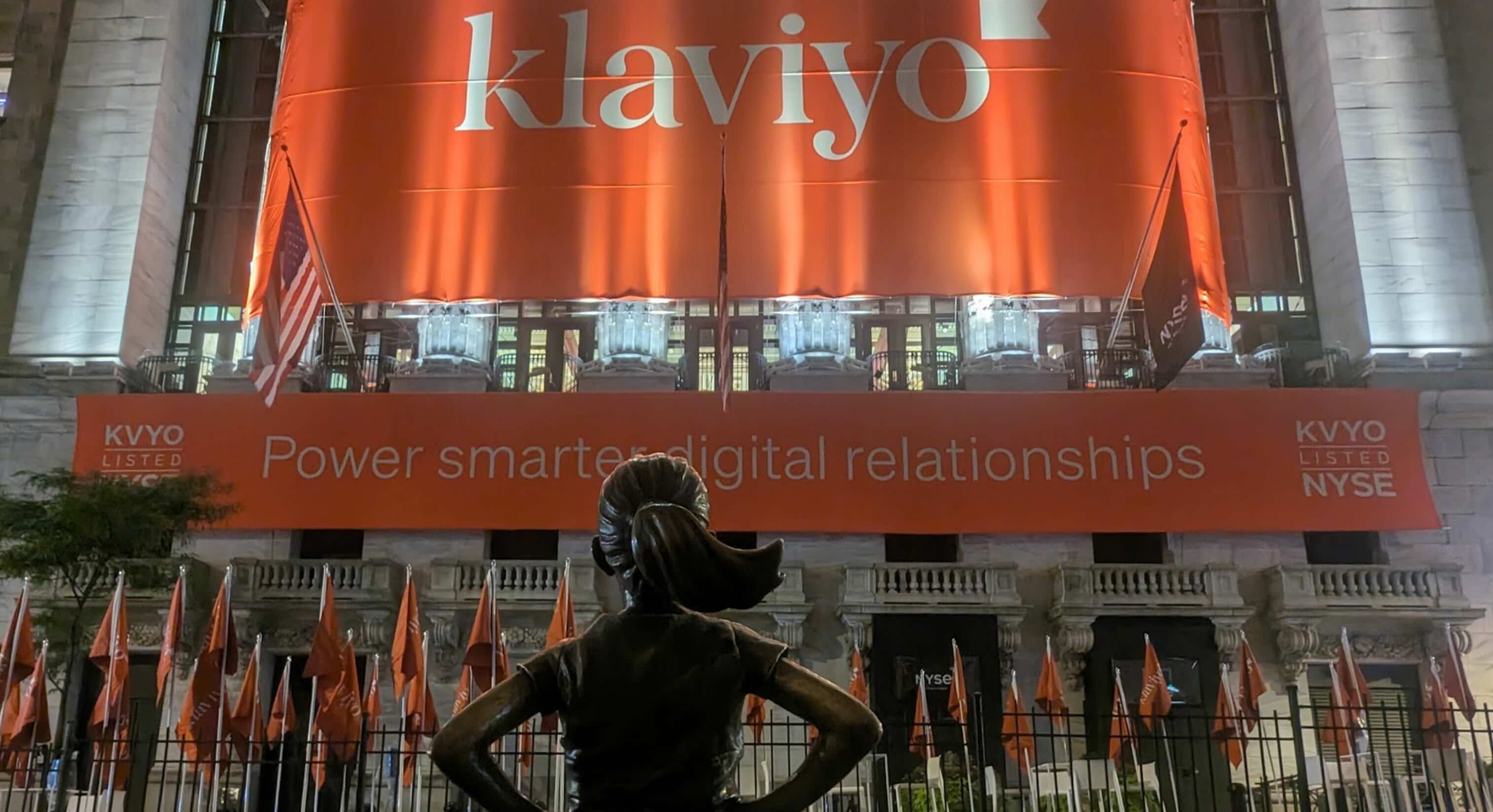
Klaviyo is a 10+ Billion unified data and marketing automation platform. I was part of the company's leadership team reporting to the CEO and founder.
I lead design (Product design, brand, content and research) through a 8X revenue growth to 1Bil, an IPO and shipping of a world class design system.
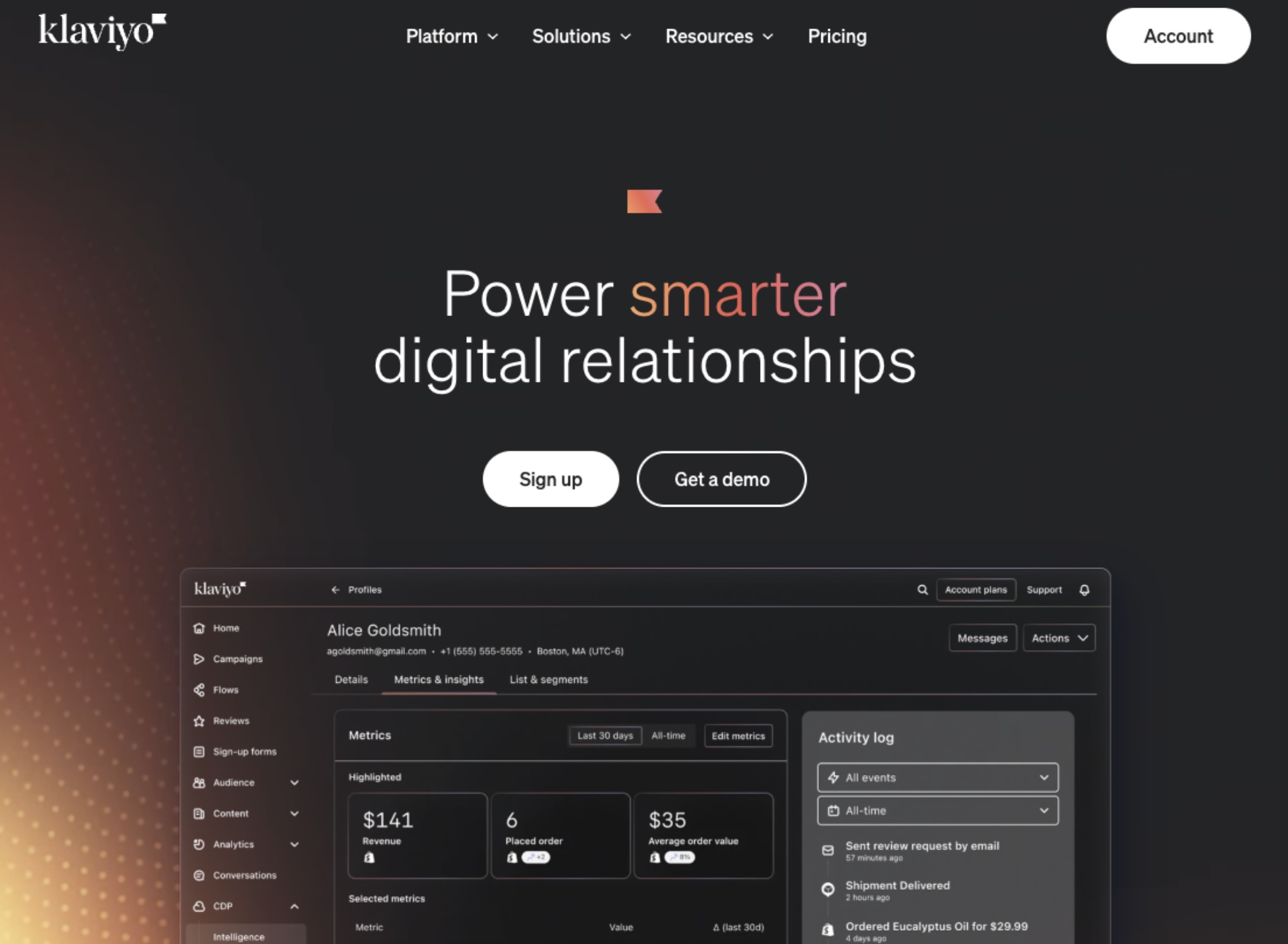
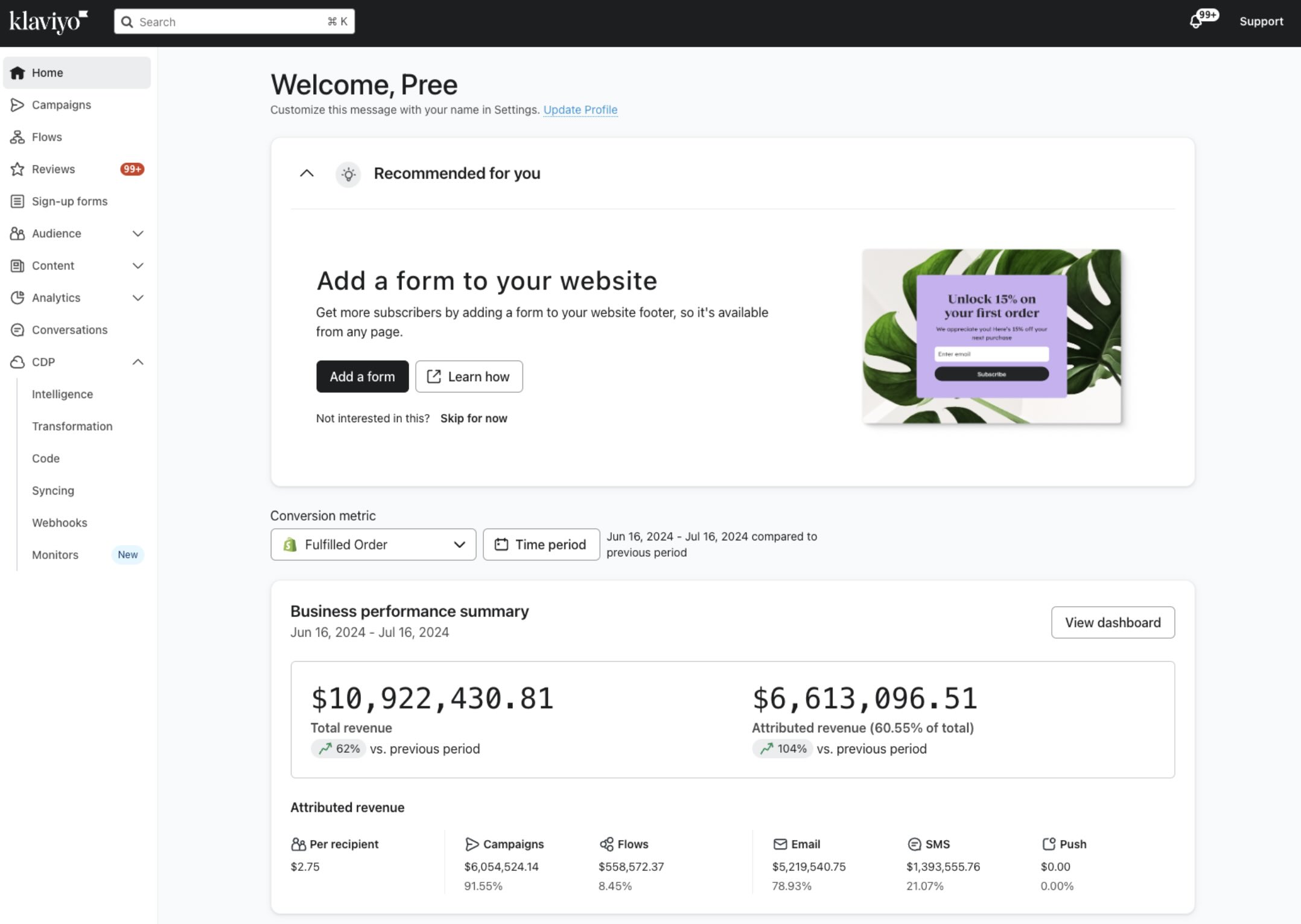
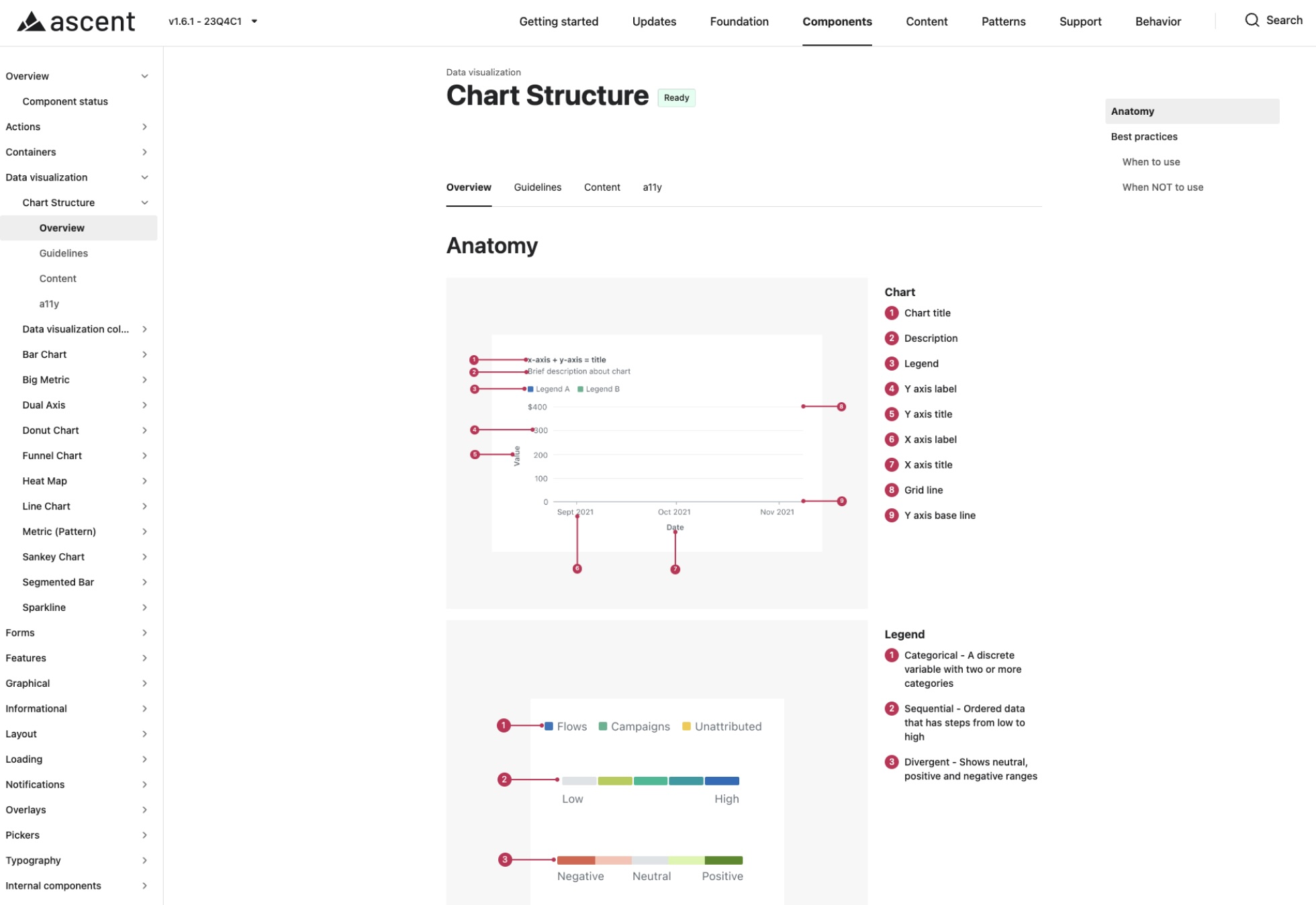
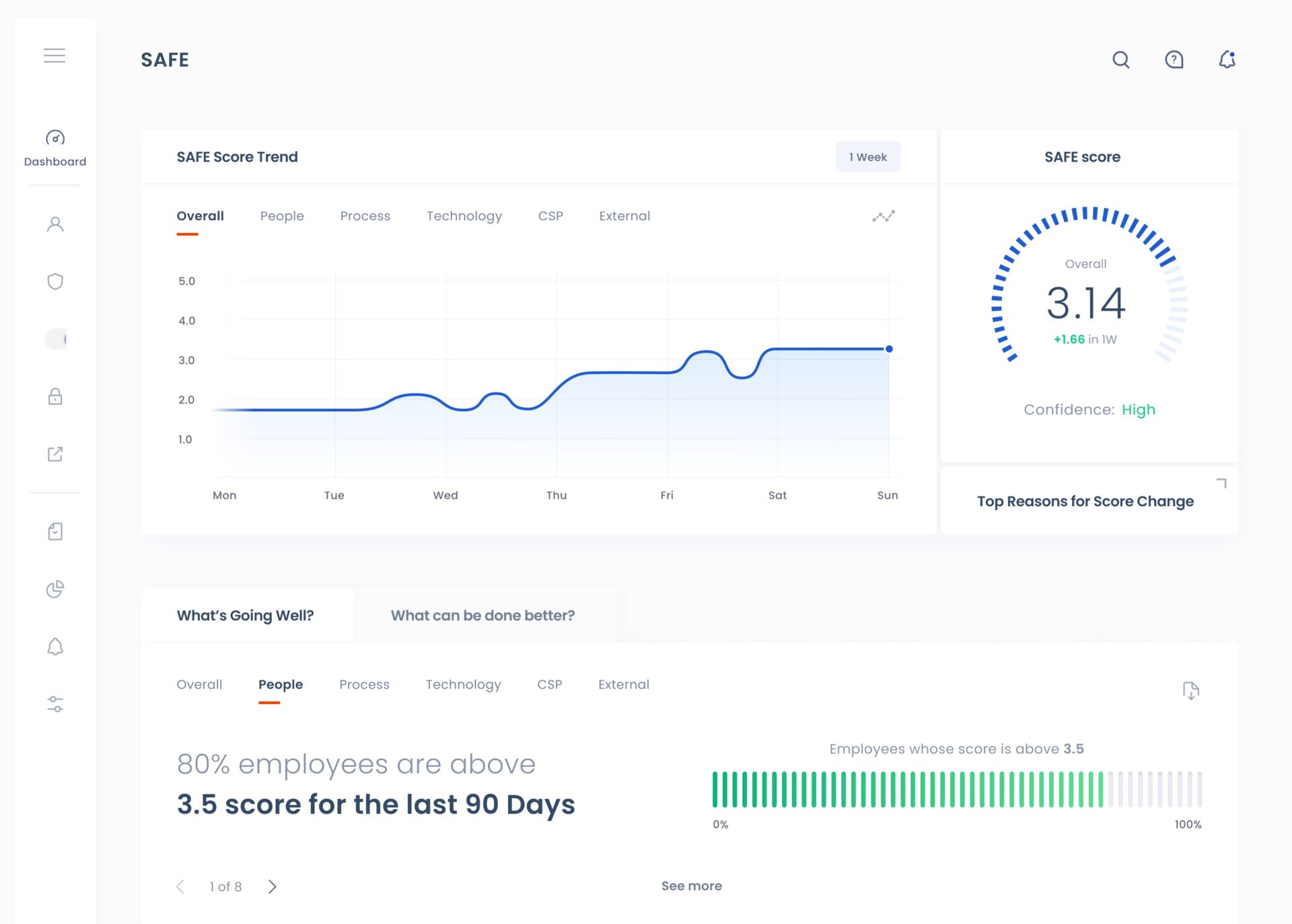
Recently, I have been enabling b2b and marketplace startups to build beautiful, simple, and efficient designs and achieve rapid human-centered product-market fit.
I have operated as a design advisory board member, fractional design leader, and investor at several startups. I have also mentored young companies at 500Startups and FalconX B2B incubator.
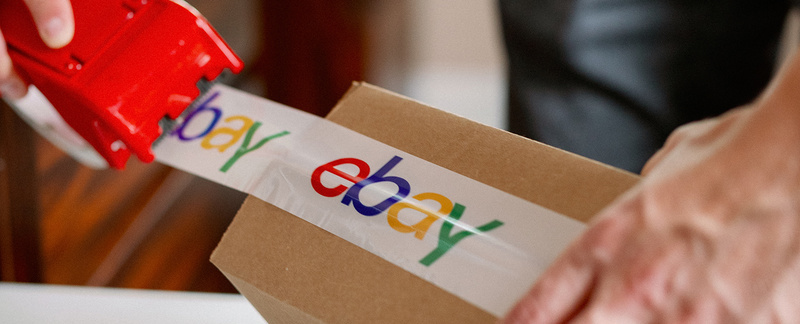
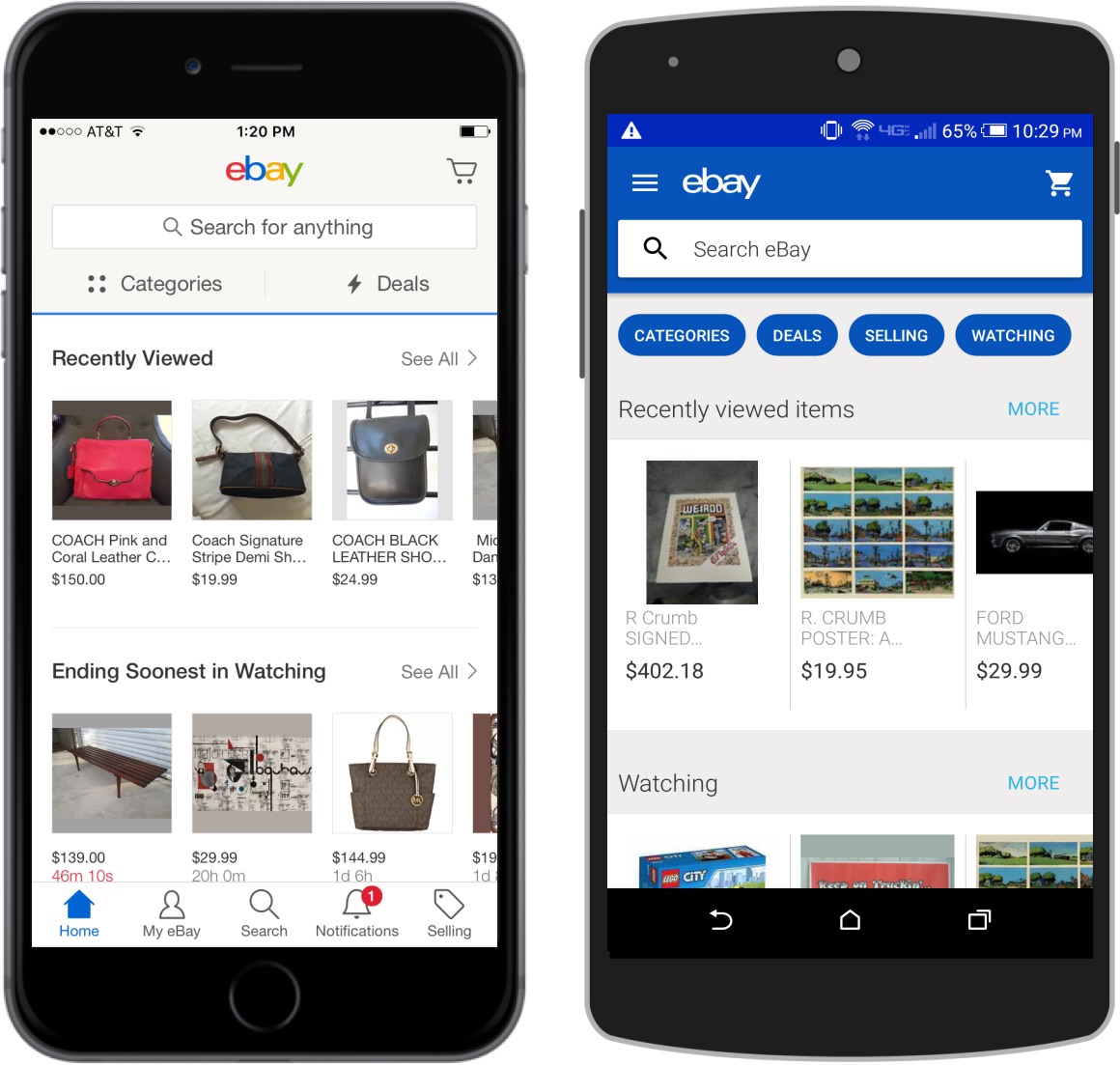
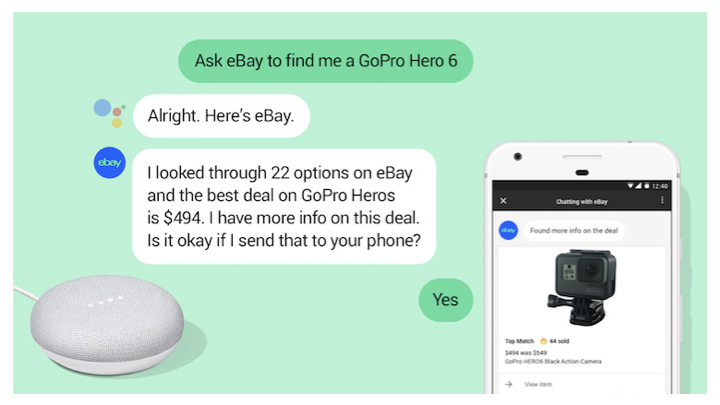
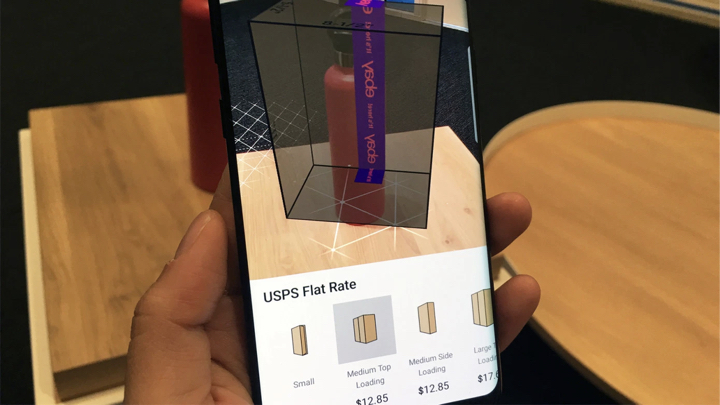
eBay is a 90Bil $ GMV online marketplace that connects a global network of buyers and sellers. It has 180M of users in 23 countries.
My mandate was to further establish our design culture, pick winning solutions, and grow our user base. I co-created, prototyped, placed bets, and shipped successful solutions for the future of e-commerce; search, browse, selling, payment systems, monetization services, and more.
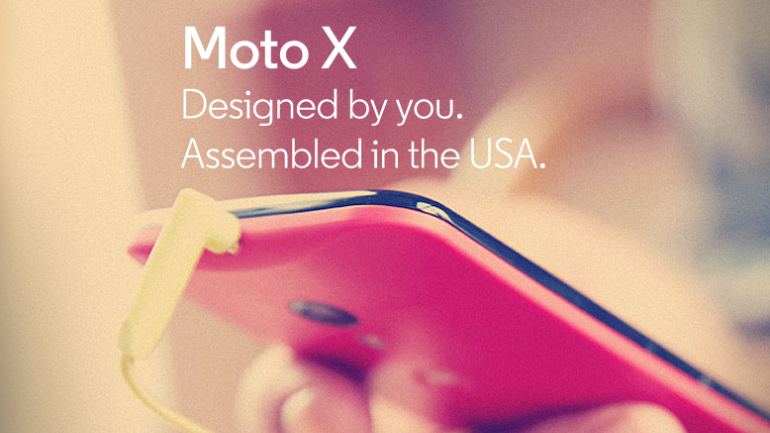
Motorola Mobility is a multinational telecommunication company selling mobile phones in more than 50 countries. It was sold to Google in 2012, and acquired by Lenovo in 2014.
My mandate was to lead the global hardware and software design research and strategy while leading teams in multiple countries. Our remit at Motorola was to marry innovative hardware with amazing software to 10x the user experience.
Microsoft is a Trillion $ multinational company with 126 Bil in revenue across cloud, enterprise, desktop and xbox.
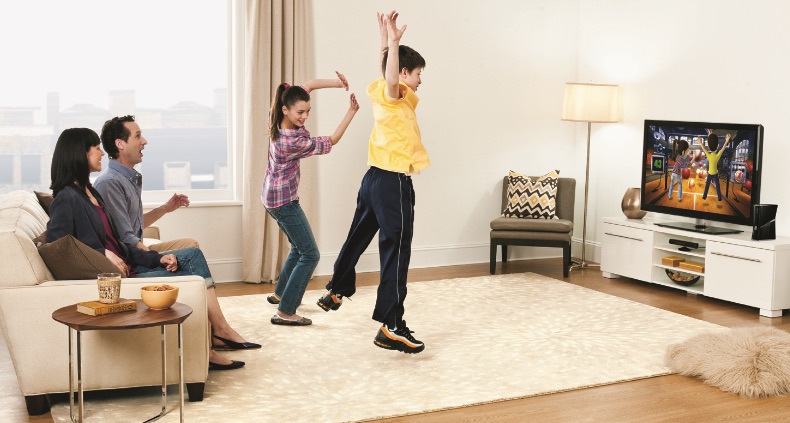
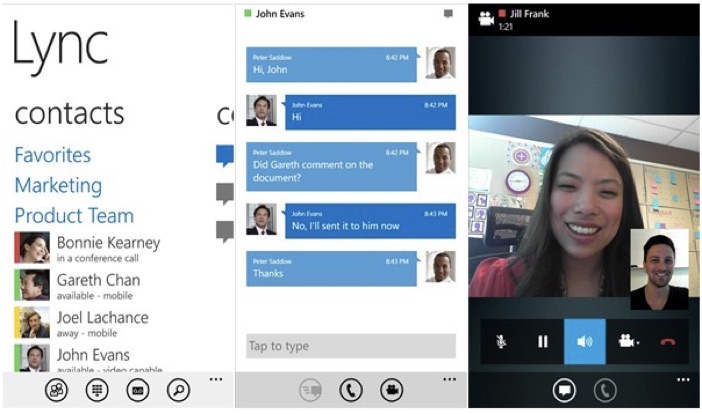
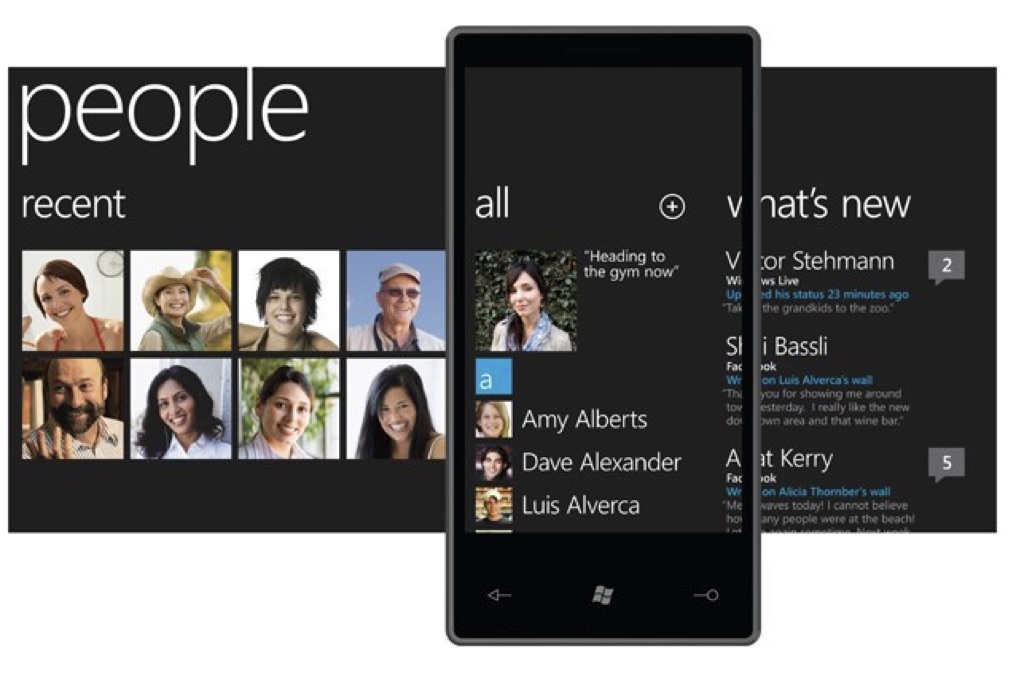
Managed and developed Visual Design and Creative Writing teams for Lync. Initiated and led a company-wide trends initiative. Additionally was on core incubation team for early prototypes of xBox Kinect and windows phone.
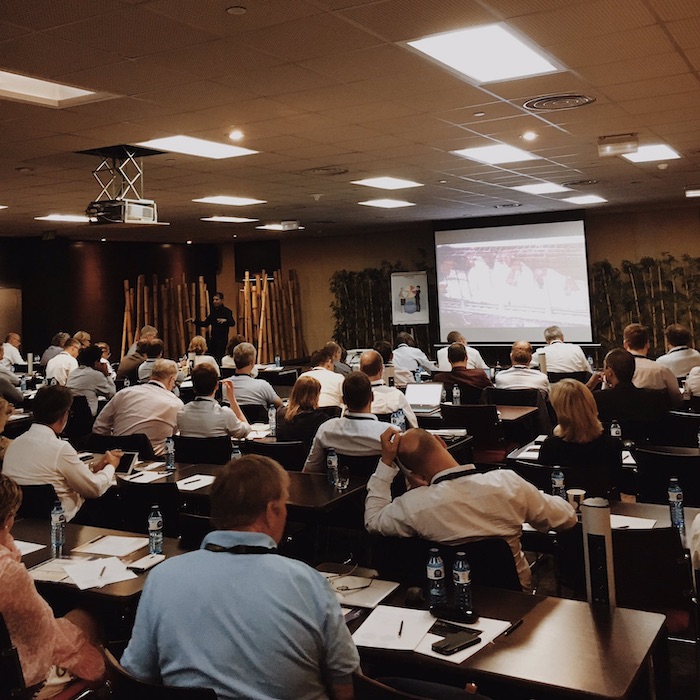
I am available for selected speaking engagements. Please contact me via email or linkedin.